 ®

The market
Access without a contract
A small first test that behaves like a digital channel: pick a screen, pay, air, see the proof. No yearly lock-in, no sales call.
Kliktron AOS links six stages: the app that sells, the player that airs, the screen, the camera that counts, the proof and the dashboard that reports. Each stage hands its record to the next, so nothing is typed twice and nothing has to be reconciled afterwards.
AOS connects ordering, playback, proof and measurement in one flow. Media owners run screens with less effort, and advertisers use them as easily as any digital channel.
Each step closes a gap that has held out-of-home advertising back. The last step feeds the first: measured traffic prices the next order.
The advertiser picks a point and dates in the Klik App and pays from a Plays balance. One play is one 15-second airing.
The approved schedule lands on the machine beside the screen and runs from its local storage.
Every airing is logged by the player with a timestamp and a CCTV clip from the same point, then sealed to the order.
Cameras count the people and vehicles that actually pass. The video stays on site; only the number leaves.
The same loop pays off differently for each side of the business.
A small first test that behaves like a digital channel: pick a screen, pay, air, see the proof. No yearly lock-in, no sales call.
Price, schedule, proof and payment in one place, read the same way by the advertiser and by the media owner.
Retail demand for empty slots without building a sales team, and a counted audience to price each point.
The ring in the diagram above, stage by stage. Every stage is a product you can open, and every product writes to the same record.
Advertisers choose a point, a date and a Plays package from their phone. Payment and balance sit in one account, and the proof comes back to the same app.
The schedule lands on the machine beside the screen. QC approves every creative before it airs, and a missed play is made good the next day or refunded to the balance.
Videotrons, digital signage and Mōbitron units air the spot offline-first, so a dropped line never stops the show.
Cameras count the people and vehicles that pass the screen. The video is processed on site and only the numbers leave.
Every airing is logged by the player with a timestamp and a CCTV clip, then sealed to the order it belongs to.
Owners watch the whole fleet with failures on top; advertisers get a report they can hand to a client. The data prices the next order.
The loop runs on equipment most screen sites already have. Two cameras decide how much of it a point can deliver: one that sees the screen for proof, and one that sees the street for counting.

No. An advertiser starts with the Klik App on screens already in the network. A media owner can start with Vertex Player on one videotron and add monitoring, cameras or the app later. Every addition joins the same account.
Identity and balance, the pricing engine, device licences, the order queue and the play records. Every product reads and writes these through the core, so a price, a schedule and a report can never disagree.
The screen keeps airing. Schedule, rates and balance live on the machine at the site, and the play logs sync when the line returns.
No. Soca Insight On-Premise processes the camera feed on a machine at the site. Only the counts of people and vehicles leave.
One play is one 15-second airing. It is defined once in the core, so the Klik App, Vertex Player and every report count it the same way.
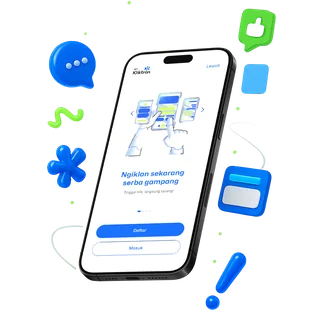 One Play JourneyFollow a 15-second spot from the phone where it is ordered to the counted audience.
 AOS ArchitectureLayers, core, data flow and integrations of the Advertising Operating System, in depth.
 Vertex PlayerThe CMS and player beside every videotron. It keeps airing when the internet drops.Media OwnerRun, monitor and monetise your screens: offline-first airing, a fleet dashboard and retail sales of idle airtime.

See the loop run on live data in a 30-minute demo.